
Foundation Repair in Live Oak, TX
Live Oak sits where I-35 meets Loop 1604, and its houses share the shifting clay of northeastern Bexar County. The approach behind Foundation Repair in Converse, TX applies here house by house, starting with a careful look at each one.
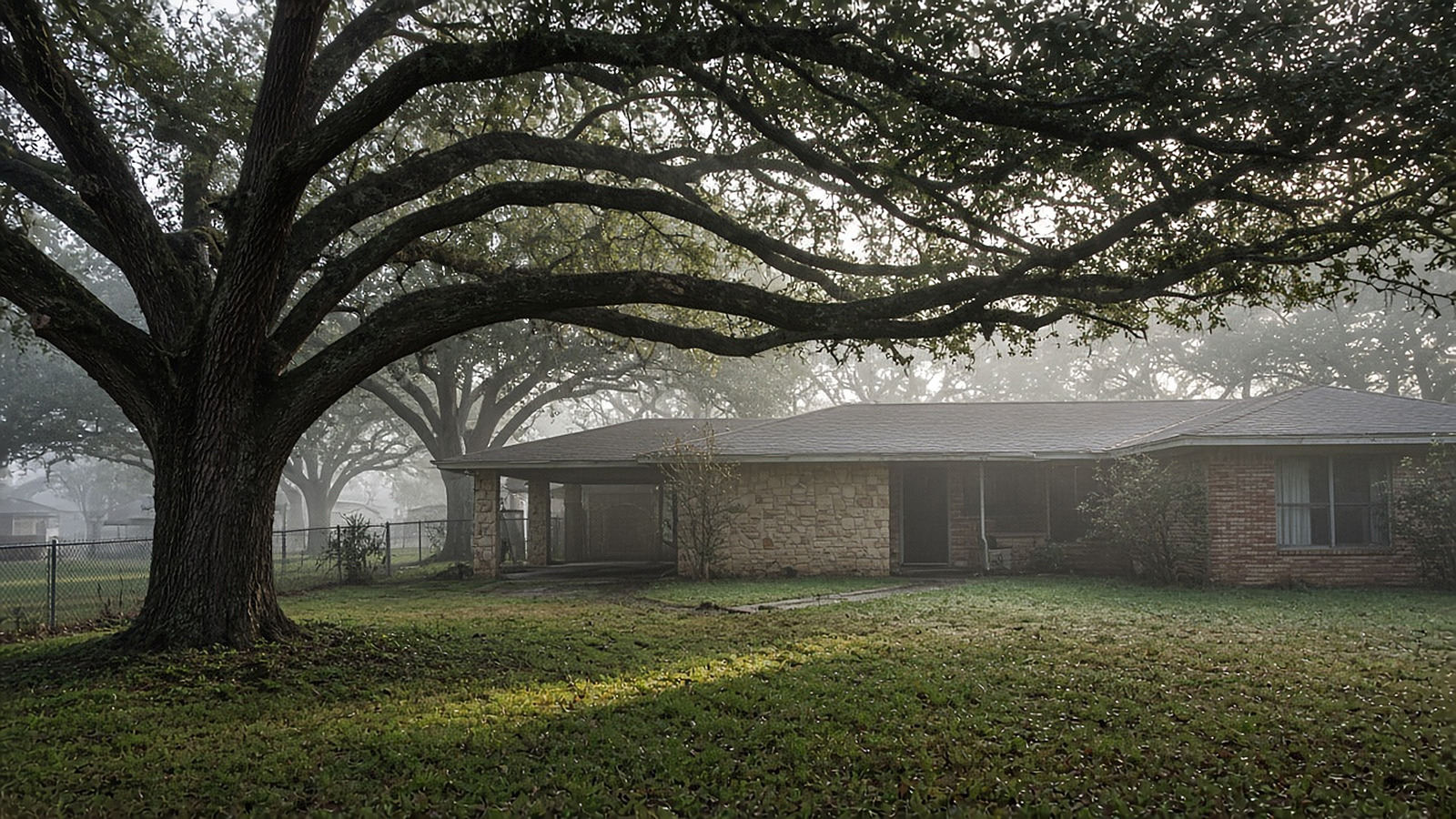
A wide oak and a long one-story house: shade, roots and clay together.
Local notes
Bexar
15,781 (2020 Census)
2,779 residents in 1970
Near the junction of I-35 and Loop 1604
Northeast Lakeview College, on land shared with Universal City, opened 2008.
Do Big Shade Trees Affect a Live Oak Foundation?
They can. Roots draw moisture from the clay, and in a long dry spell the ground near a large tree can dry and shrink more than the rest of the lot. That uneven drying can let one side of a house settle. Ask an arborist before cutting anything.
Live Oak is well known for magnificent canopy trees that enhance property aesthetics and lower summer cooling loads. However, mature tree roots spread laterally beneath driveways and exterior grade beams, extracting tens of gallons of groundwater each sunny afternoon.
During prolonged drought stretches without rain, soil surrounding deep roots undergoes severe volume reduction. While the opposite side of the home may retain residual subsoil moisture, the side bordered by mature oaks drops. This differential desiccation induces stair-step exterior masonry cracking and makes doors stick along hallway frames. Rather than removing beneficial trees prematurely, consult a certified arborist and evaluate foundation underpinning options that support the structure below root depth.
Doors sticking near that large shade oak?
Call and tell us where the door binds. We will explain how root moisture loss affects floor elevation.
What Changes as a House Ages on Clay?
Every wet and dry season adds a little movement, and over decades it can show up as wider cracks, sticking doors and sloping floors. Gutters wear, grading shifts, and old drain lines under a slab can leak. An inspection sorts out which of these is at work.
Homes built in Live Oak during the 1970s and 1980s have experienced dozens of wet and dry weather cycles. Even minor seasonal shifts of a fraction of an inch create cumulative fatigue across rigid concrete footings, brick veneer ties, and interior drywall joints over time.
Additionally, older residential infrastructure evolves. Downspouts may detach, soil grading can settle backward toward the foundation wall, and cast-iron or older PVC sewer lines beneath the slab may develop slow leaks. A thorough diagnostic inspection records floor level contours to differentiate harmless aging settlement from active foundation deflection that requires underpinning.
How Does Foundation Repair in Live Oak, TX Work?
A call, an inspection with floor elevation readings, the method and price explained, Texas811 contacted before any digging, then the repair and a final set of readings. Permit rules come from the City of Live Oak, so the technician checks what applies before work starts.
Your project begins with a simple phone call to discuss your home's warning signs and schedule an on-site visit. Our technician inspects exterior masonry, evaluates yard drainage lines, and takes precise digital elevation readings across the home to map floor deflection.
We provide a clear summary explaining why the movement occurred and detailing whether steel piers, helical piers, pressed concrete cylinders, or masonry crack repairs are warranted. We contact Texas811 at least two business days prior to digging, verify City of Live Oak permit guidelines, and conclude every repair with a secondary elevation survey.
Questions from Live Oak homeowners
Should I remove a large tree near my Live Oak house?
+−
Not automatically. Large trees provide shade and yard stability, but aggressive root systems can draw substantial moisture from clay during dry summers. Consult a certified arborist before cutting or altering any mature tree. An inspection shows whether the house has moved and why.
Can an old drain line under the slab cause movement?
+−
A plumbing leak beneath a concrete slab can saturate sub-grade clay, triggering localized soil swelling that lifts the slab from below. A licensed plumber can perform hydrostatic pressure testing to verify if lines are leaking.
How do I tell whether my house is on a slab or pier and beam?
+−
Homes on pier and beam sit elevated above ground level with visible crawlspace access doors or screened foundation wall vents around the perimeter. Slabs sit directly flat against the soil with no crawlspace or vents.
Can I call about a Live Oak house I am thinking of buying?
+−
Yes, you can call to discuss observed warning signs or elevation concerns before closing on a home purchase. Call to check availability. Formal real estate transactions may also require an independent home inspector or licensed structural engineer report.
Question not covered here? Call (830) 465-4708