
Foundation Repair Services in Converse, TX
Four kinds of work cover nearly every house: slab repair, pier and beam work, crack repair, and piering with leveling. Here is how Foundation Repair in Converse, TX is sorted, so you can see which one fits before you call.
How Do You Pick the Right Repair for Your House?
Start with what the house is doing and how it was built. Slab homes with cracked floors usually start with slab repair; raised homes with dipping floors start with pier and beam work; a crack on its own starts with crack repair; a settled corner needs piering. An inspection confirms it.
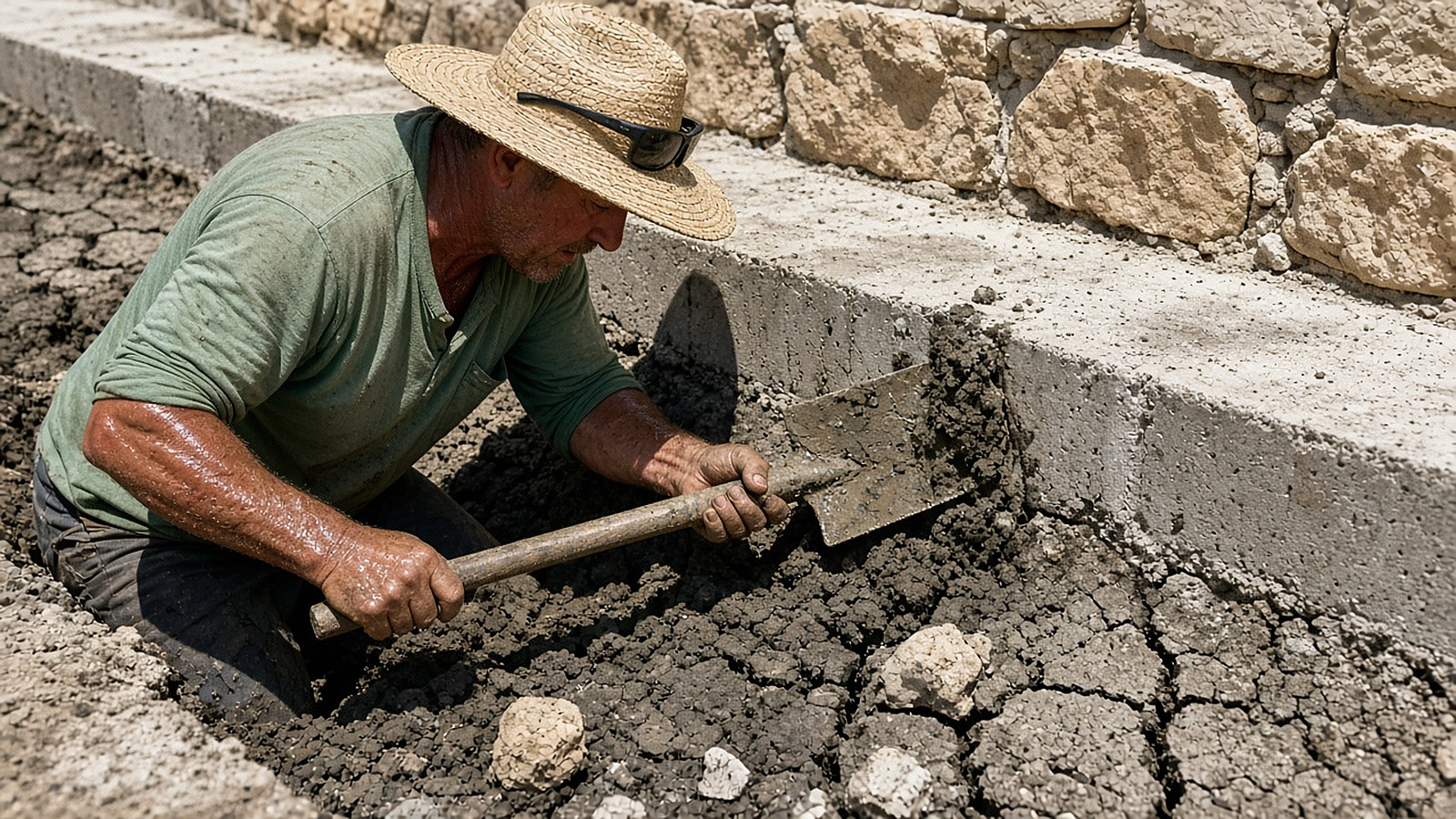
Slab Foundation Repair
Slab homes with cracked floors, a low corner or a section that tilts
Poured directly on expansive clay, slabs bear seasonal shrink and swell. Elevation readings identify which perimeter sections have shifted, directing piers, void fill, or targeted crack sealing to re-support the concrete.
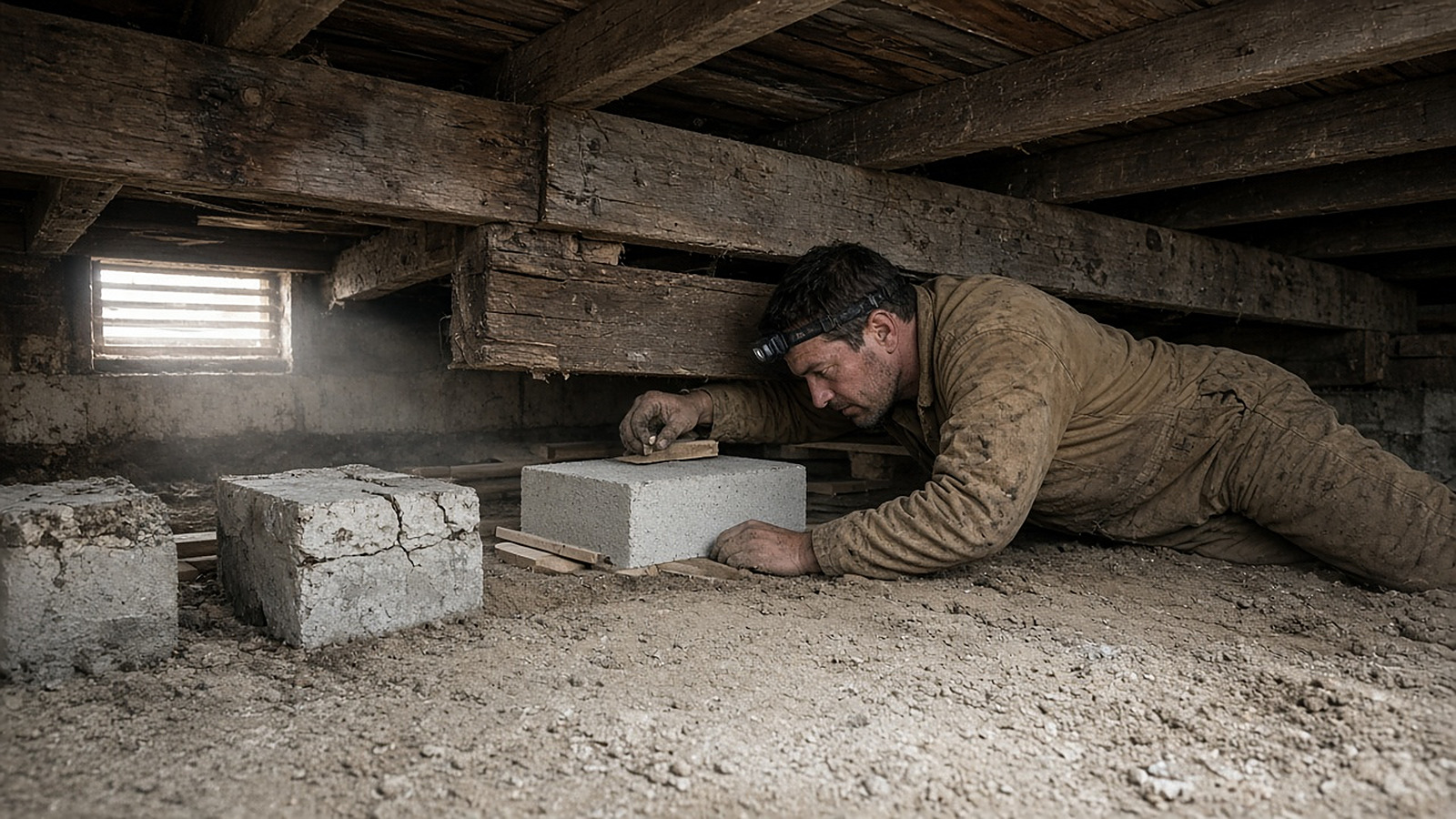
Pier and Beam Foundation Repair
Raised homes with floors that dip, bounce or slope
Raised floor assemblies rely on posts, concrete blocks, and timber girders over crawlspaces. Work focuses on resetting tilted pads, renewing weathered shims, sistering weakened framing, and drying damp air beneath the home.
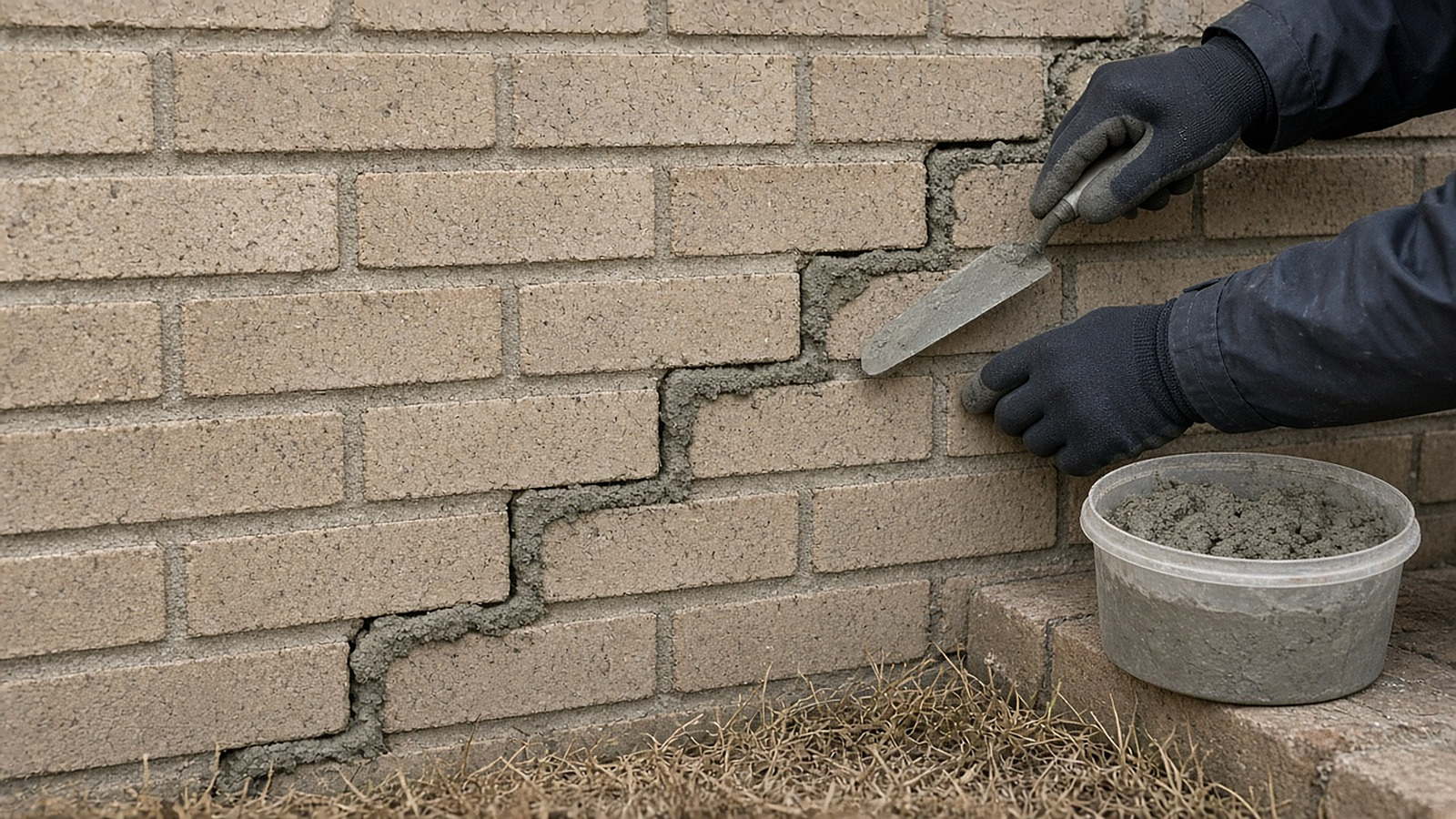
Foundation Crack Repair
Cracks in slabs, stem walls, brick and stone
Every fissure reveals clues about subsoil stress. We distinguish harmless curing shrinkage from structural shifting, selecting epoxy bonding, flexible polyurethane water barriers, or masonry repointing after confirming footing stability.
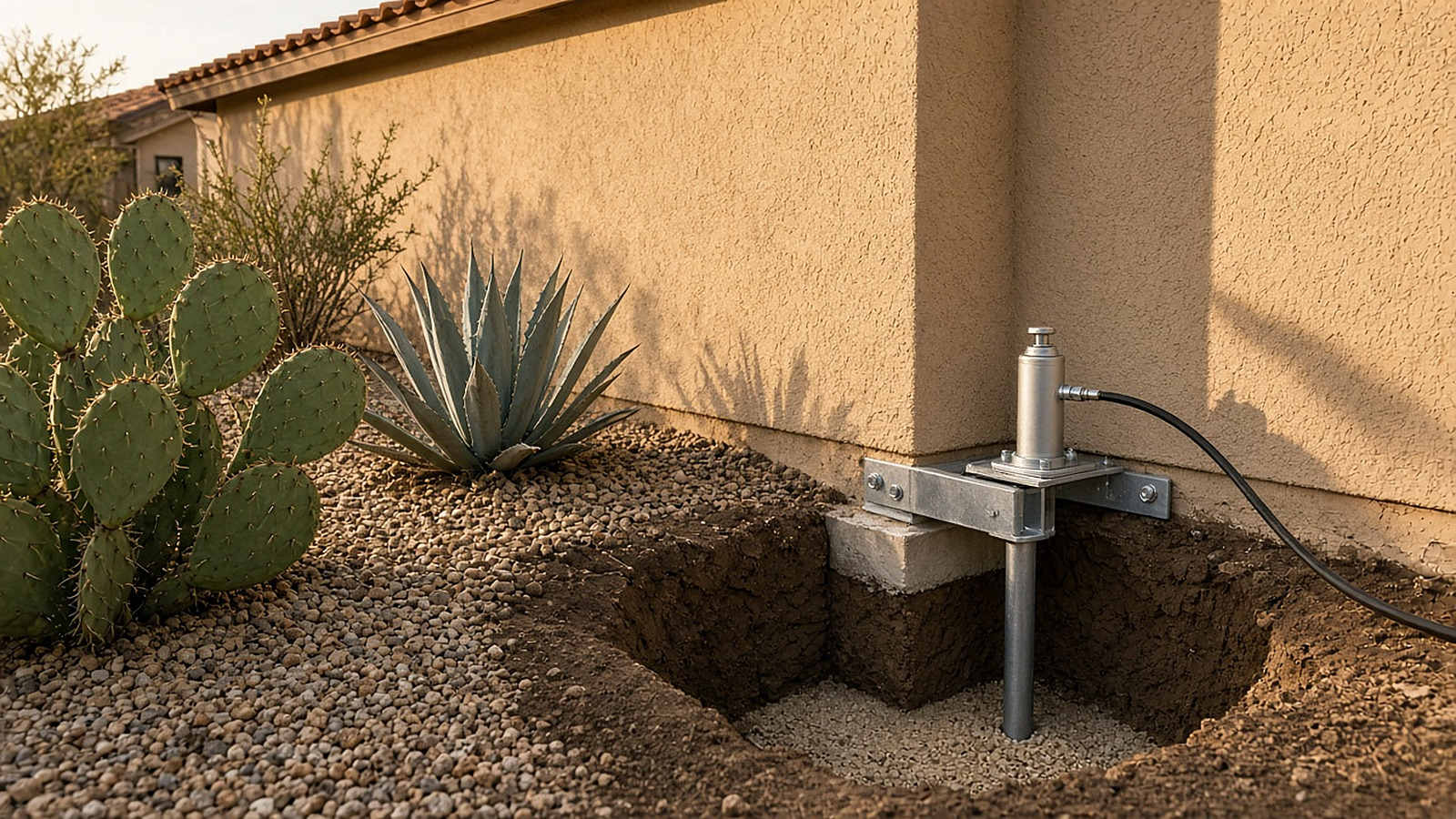
Foundation Piering and Leveling
Houses where a corner or one side has settled
When footing settlement exceeds surface remedies, deep piers transfer the structural load down into stable load-bearing strata. Hydraulic manifolds lift sunken sections slowly to a measured, practical elevation.
What Separates Slab Work From Pier and Beam Work?
A slab sits right on the clay, so repairs support it from below with piers and seal its cracks. A raised floor is worked on from the crawlspace: piers, shims, beams and moisture. Both answer to the same shrink-swell clay, just from different sides of the floor.
Concrete slab-on-grade construction rests directly on graded soil. When Houston Black clay drinks rainfall and expands, slab edges lift upward. When dry South Texas heat pulls moisture out, those perimeter edges drop while the sheltered central footprint stays higher. Because concrete does not stretch, this flexing causes tile lines to snap, sheetrock seams to open, and perimeter grade beams to deflect. Slab repairs stabilize that concrete from the exterior perimeter.
Pier and beam structures handle load through individual points rather than continuous slabs. Wood sills and floor joists bear onto concrete pedestals or blocks spaced across the crawlspace. Because each footing sits on its own patch of moisture, individual supports settle at differing rates. Crews access the underfloor space directly to shim girders, level piers, replace dry-rotted wood, and correct ventilation.
Still not sure which exit is yours?
Call and describe the cracks, floors and doors. We will explain which method usually fits.
What Comes Before Any Repair Begins?
A phone call about what you are seeing, then an inspection with floor elevation readings and a look at cracks, doors, drainage and the crawlspace if there is one. The method and price are explained afterward, and Texas811 is contacted before any digging.
Every project begins with thorough diagnostic discovery. An inspection technician examines exterior brick joints for telltale stair-step separation, checks interior door swings, maps visible drywall tears, and reviews roof gutter discharge around flowerbeds. Comprehensive elevation instruments map the high and low contours of the floors to reveal the exact direction and depth of soil movement.
Once measurements are recorded, you receive a plain-spoken explanation of the underlying soil mechanics, the targeted structural remedies, and transparent price expectations. Before any shovel enters the yard, Texas811 is contacted at least two business days ahead to locate and mark all public underground utility lines, ensuring safety across the property.
Questions about choosing a repair
Can one house need more than one kind of repair?
+−
Yes, foundation conditions frequently call for combined approaches. A common pairing is installing piers under a settled corner to provide deep load-bearing support, followed by precision crack repair for exterior masonry or interior concrete. Drainage changes, such as downspout extensions or regrading, often go with both to stabilize moisture.
Which repair is usually the smallest job?
+−
Sealing an isolated surface crack whose underlying cause is already settled is typically the smallest scope of work. However, surface sealing only lasts if it matches the true cause of movement rather than covering active soil shifting. A technician confirms the method and price after an inspection.
Where does drainage fit into foundation repair?
+−
Drainage is foundational to keeping sub-surface clay stable. Installing clean gutters, extending downspouts well away from footings, and sloping surface soil outward keep moisture levels around the perimeter steadier through long dry spells and heavy rainfall, protecting every other structural repair.
Question not covered here? Call (830) 465-4708